
For five thousand years, proving you are you has meant showing something that isn’t you.
A seal, a signature, a passport, a password, a code sent to your phone. Each substitute bought reach and widened the distance between the person and the proof.
Done.
Your white paper is downloading now.
Something went wrong on our side. Try again, or write to us and we’ll send it directly.
Discover the future of human identity verification
Every era solved the same problem by moving one step further from the person.
Eight moments when a civilization decided how a stranger could be trusted. Read them in order and the same trade repeats every time.
Forging the substitute stopped being expensive.
This is what the last step of the arc looks like from inside a verification pipeline. The numbers are not the argument. They are what happens when the argument stops holding.

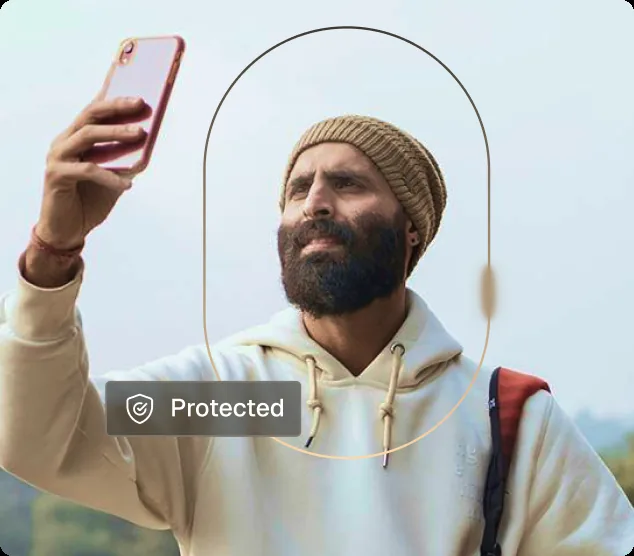
After millennia of adding layers between the person and the proof, verification returns to the person themselves.
Not a rupture with the past, but the completion of what every prior era was attempting with the tools it had.
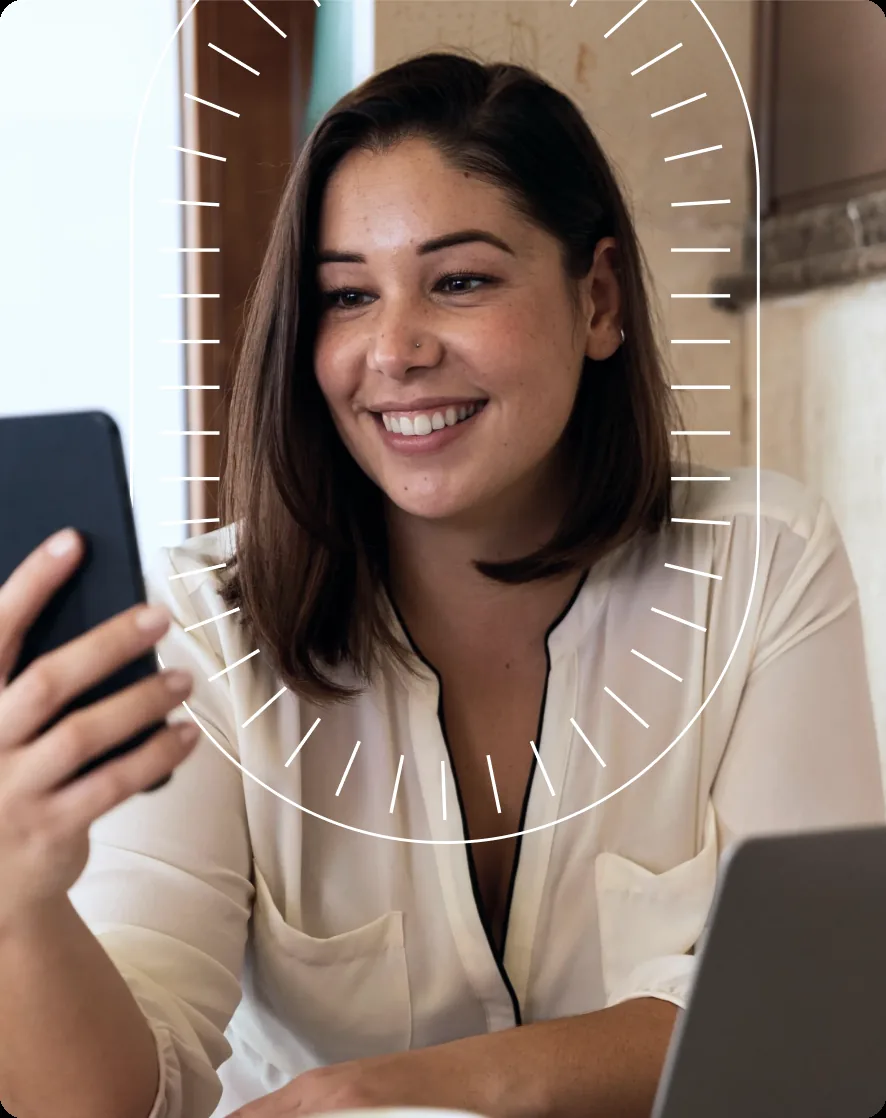
The New Standard of Human-Centered Safety
A white paper from unico Research, published with Biometric Update. It traces how identity verification drifted away from the very person it was meant to prove, and sets out the architecture that brings it back.
What’s inside
Seven sections tracing one argument: how the distance between the person and the proof opened, and how it closes.
The proof was never the document. It was always the person.
The architecture that closes the distance, and what it changes for your institution.

Done.
Your white paper is downloading now.
Something went wrong on our side. Try again, or write to us and we’ll send it directly.
Discover the future of human identity verification